
Artificial Intelligence in Healthcare: Shaping the Future of Patient Care
Artificial Intelligence in Healthcare: Shaping the Future of Patient Care


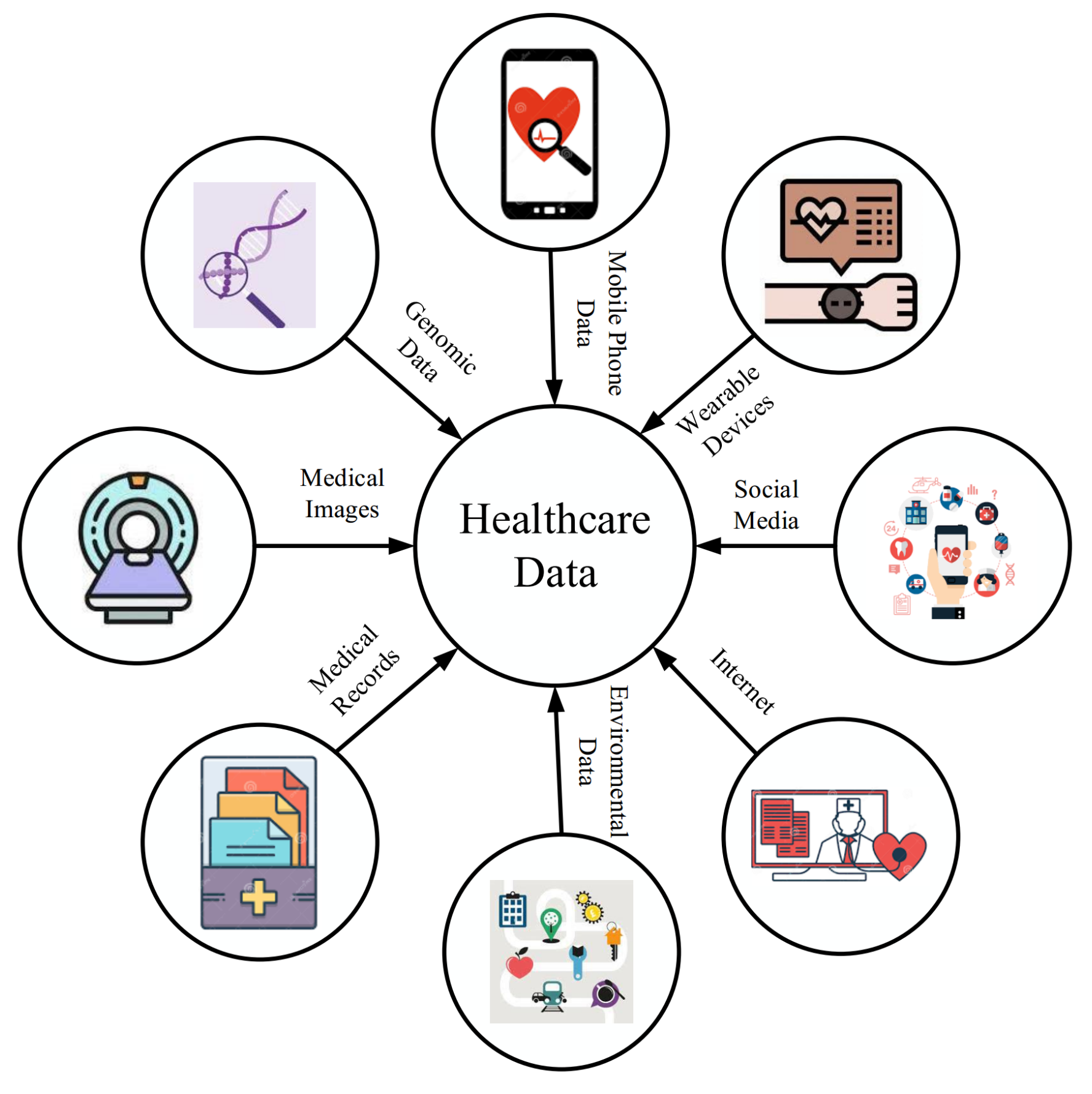

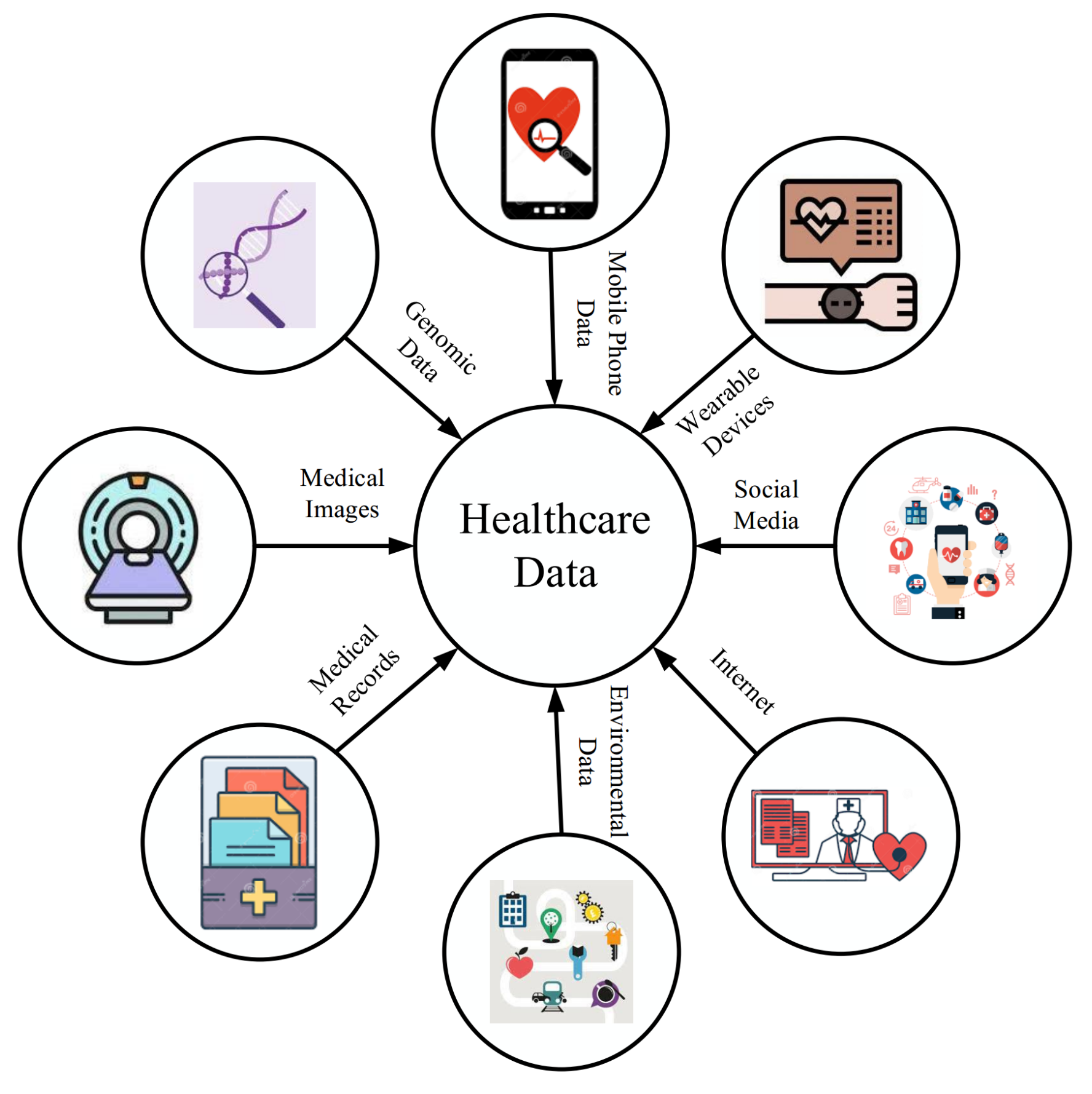
Artificial intelligence (AI) is rapidly transforming the healthcare landscape by improving the way diseases are detected, diagnosed, and treated. With the growing availability of medical data and advanced computational tools, AI technologies are enabling healthcare professionals to make faster and more accurate clinical decisions.
One of the most significant contributions of AI lies in medical diagnostics. Machine learning algorithms can analyze large volumes of clinical data, medical images, and patient histories to identify patterns that may be difficult for humans to detect. This capability supports early diagnosis of conditions such as cancer, cardiovascular diseases, and neurological disorders, ultimately improving treatment outcomes.
AI also plays an important role in personalized medicine. By examining genetic information, lifestyle data, and treatment responses, AI systems can help clinicians design individualized treatment plans that better suit each patient’s needs. This approach enhances the effectiveness of therapies while reducing the risk of adverse effects.
Beyond clinical care, AI is improving hospital management and operational efficiency. Predictive analytics can forecast patient admissions, optimize resource allocation, and assist healthcare administrators in managing workloads and hospital capacity. Automated systems also support telemedicine, remote monitoring, and digital health platforms, allowing patients to access healthcare services more conveniently.
Despite these advancements, ethical considerations such as data privacy, algorithmic transparency, and regulatory oversight remain essential. Responsible implementation of AI technologies is necessary to ensure patient safety and maintain trust in digital healthcare systems.
Overall, artificial intelligence represents a powerful tool for advancing medical science and improving healthcare delivery. When integrated responsibly, AI has the potential to create a more efficient, accessible, and patient-centered healthcare ecosystem.
Author
Dr. Akhilesh Kumar
References
- World Health Organization. (2021). Ethics and Governance of Artificial Intelligence for Health.
- National Institutes of Health. Research on Artificial Intelligence and Machine Learning in Healthcare.
- National Health Authority. Digital Health and AI initiatives in India.