
Bio-Inspired Robotics: Muscles, Not Motors — Redefining Movement and Intelligence
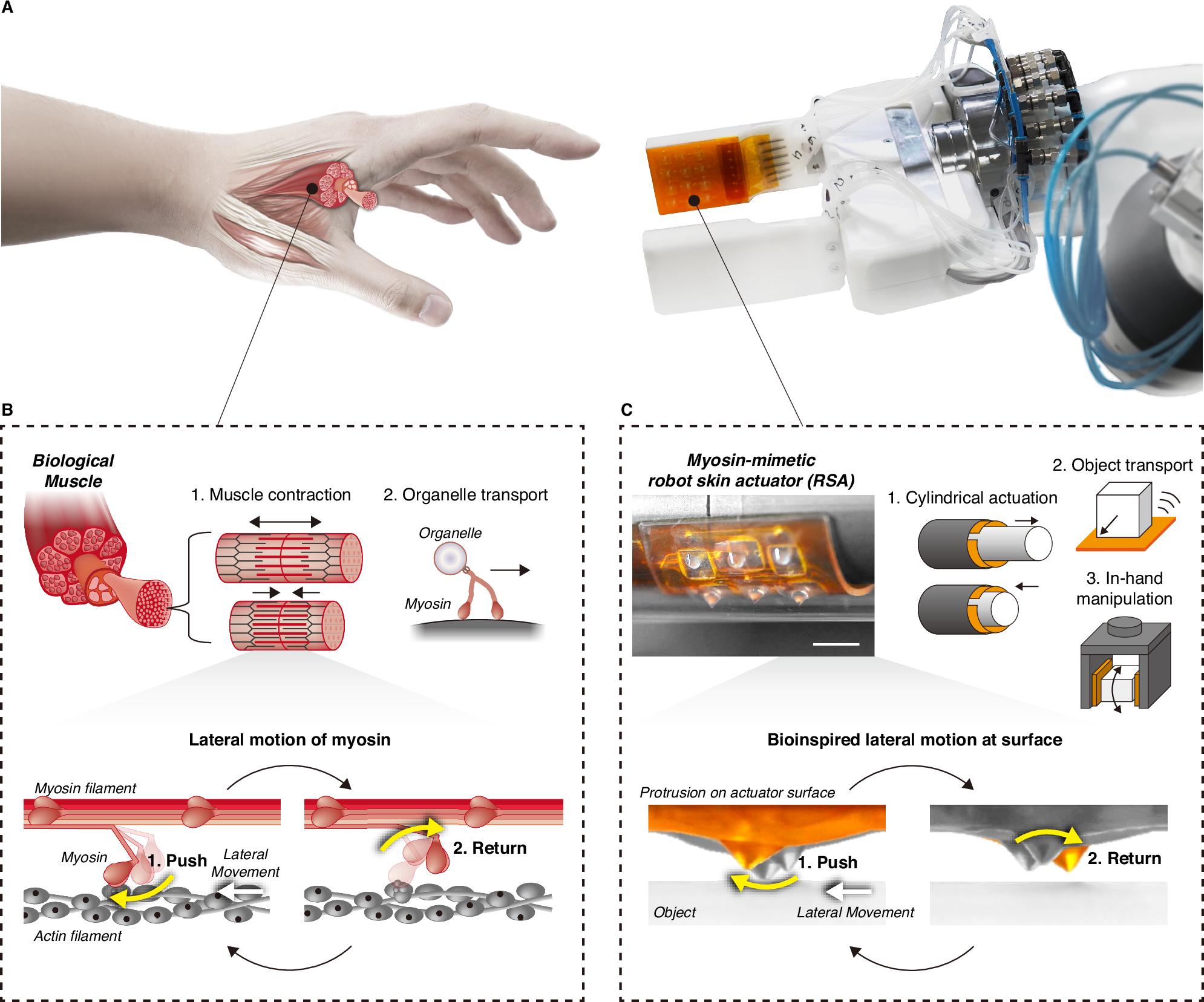
Robotics has traditionally relied on rigid structures, electric motors, and mechanical joints to achieve movement. While effective in controlled environments, these systems often lack the flexibility, adaptability, and efficiency found in natural organisms. Bio-inspired robotics is transforming this paradigm by drawing inspiration from biological systems, particularly the use of muscles instead of motors, to create more adaptable and efficient machines.
In nature, movement is achieved through complex interactions between muscles, tendons, and neural control systems. These biological mechanisms enable organisms to perform smooth, energy-efficient, and highly coordinated actions. Bio-inspired robotics seeks to replicate these principles using artificial muscles and soft materials that mimic the elasticity and responsiveness of living tissues.
Artificial muscles are a key innovation in this field. These materials can contract, expand, or change shape in response to stimuli such as electrical signals, heat, or pressure. Technologies such as shape-memory alloys, electroactive polymers, and pneumatic actuators are being used to create flexible robotic systems capable of lifelike motion. Unlike traditional motors, these systems offer greater adaptability and can operate safely in environments where rigid machines may struggle.
One of the most promising applications of bio-inspired robotics is in healthcare. Soft robotic devices can assist in rehabilitation, prosthetics, and minimally invasive surgery. Their flexibility allows them to interact safely with human tissues, reducing the risk of injury. In industrial settings, bio-inspired robots can navigate complex environments, perform delicate tasks, and adapt to unpredictable conditions.
Another important advantage of muscle-based robotics is energy efficiency. Biological systems are optimised for minimal energy consumption while maintaining high performance. By mimicking these mechanisms, engineers can develop robots that operate more sustainably and efficiently.
However, challenges remain in the development of bio-inspired robotics. Designing materials that replicate the strength, durability, and responsiveness of biological muscles is complex. Control systems must also be advanced enough to coordinate movements in real time. Integrating sensory feedback and adaptive learning mechanisms is essential for achieving truly autonomous behaviour.
Despite these challenges, bio-inspired robotics represents a significant shift in how machines are designed and operated. By moving away from rigid mechanical systems toward flexible, muscle-like structures, researchers are creating robots that are more aligned with natural movement and intelligence.
As technology continues to evolve, the concept of “muscles, not motors” may redefine the future of robotics, enabling machines that are not only more efficient but also more capable of interacting with the world naturally and intuitively.
#BioInspiredRobotics #SoftRobotics #ArtificialMuscles #Automation #RoboticsInnovation #Biomimicry #FutureOfRobotics #TechInnovation
#RoboticsEngineering #SmartMachines #EmergingTech #Engineering
Author
Dr. Akhilesh Kumar
References
- Massachusetts Institute of Technology. Research on soft robotics and artificial muscle systems.
- IEEE Robotics and Automation Society. Studies on bio-inspired robotics and intelligent systems.
- Harvard University. Wyss Institute research on soft robotics and biomimetic engineering.