
Cognitive Edge Networks: Building Real-Time Intelligence at Planetary Scale
The world is generating data at an unprecedented pace. Billions of smartphones, IoT sensors, autonomous vehicles, industrial systems, and connected devices continuously produce information that requires immediate processing and decision-making. Traditional cloud-centric architectures, while powerful, often struggle to meet the growing demands for real-time intelligence, low latency, and massive scalability. This challenge is driving the rise of Cognitive Edge Networks (CENs) - a new generation of intelligent infrastructure designed to bring artificial intelligence closer to where data is created.
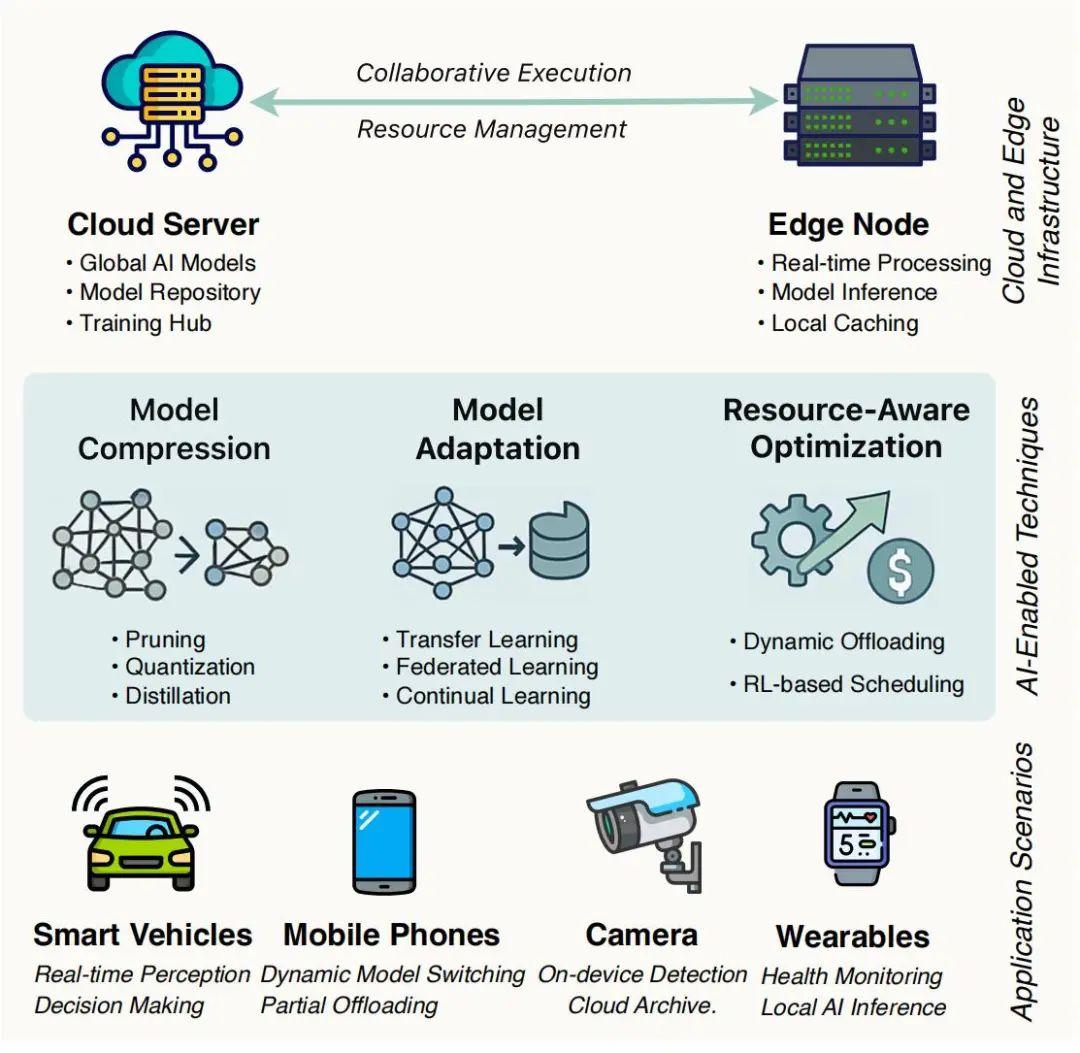
Cognitive Edge Networks combine edge computing, distributed artificial intelligence, and autonomous decision-making to create highly responsive digital ecosystems. Rather than sending every piece of data to centralised cloud platforms, intelligence is distributed across thousands or even millions of edge devices. These systems process information locally, enabling rapid responses while reducing bandwidth consumption and network congestion.
The defining feature of cognitive edge networks is their ability to think and act in real time. Unlike traditional edge computing, which primarily focuses on data processing, cognitive edge architectures integrate AI models capable of learning, reasoning, and adapting dynamically. Each edge node becomes an intelligent participant within a broader distributed ecosystem.
This approach is particularly valuable for applications where milliseconds matter. Autonomous vehicles, smart manufacturing systems, healthcare monitoring platforms, and critical infrastructure operations require immediate responses that cannot depend solely on distant cloud servers. Cognitive edge networks enable decisions to be made at the source while maintaining coordination across larger systems.
One of the key benefits of these networks is scalability. As connected devices continue to grow into the tens of billions, centralised architectures face increasing limitations. Cognitive edge systems distribute workloads efficiently, allowing intelligence to scale naturally across geographically dispersed environments. This creates a foundation for real-time decision-making on a planetary scale.
Artificial intelligence plays a central role in enabling these capabilities. Machine learning models deployed at the edge can analyse sensor data, predict events, optimise operations, and collaborate with other intelligent nodes. Organizations such as NVIDIA and Cisco are actively developing technologies that support distributed AI and intelligent edge infrastructure.
Another significant advantage is resilience. Since intelligence is distributed, operations can continue even when connectivity to central systems is disrupted. This decentralised architecture improves reliability for mission-critical applications such as emergency response, industrial automation, and smart energy grids.
Security is equally important in cognitive edge environments. With intelligence distributed across thousands of endpoints, protecting data, identities, and communication channels becomes essential. Zero-trust architectures, edge encryption, and AI-driven threat detection are increasingly being integrated into cognitive edge frameworks to strengthen cybersecurity.
However, implementing cognitive edge networks also presents challenges. Managing large-scale distributed AI systems requires advanced orchestration, interoperability standards, and governance frameworks. Ensuring consistency across diverse devices and environments remains a complex technical problem.
The future of digital infrastructure is likely to become increasingly decentralised and intelligent. As artificial intelligence, 6G connectivity, and edge computing continue to mature, cognitive edge networks will enable a new era of responsive, adaptive, and autonomous systems capable of supporting global-scale operations.
In conclusion, cognitive edge networks represent a fundamental shift in how intelligence is distributed and utilised. By bringing AI closer to data sources and enabling real-time collaboration across billions of devices, these networks are creating the foundation for a smarter, faster, and more resilient digital future. The age of planetary-scale intelligence is no longer a distant vision—it is rapidly becoming a technological reality.
#CognitiveEdgeNetworks #EdgeComputing #ArtificialIntelligence
#DistributedAI #EdgeAI #RealTimeIntelligence #DigitalTransformation
#IoT #FutureTech #SmartInfrastructure #IntelligentNetworks
#TechInnovation
Author
Dr. Akhilesh Kumar
References
- NVIDIA. Research on Edge AI and Distributed Intelligence Platforms.
- Cisco. Intelligent Networking and Edge Computing Technologies.
- Institute of Electrical and Electronics Engineers. Research on Edge Computing, Distributed AI, and Intelligent Networks.
- International Telecommunication Union. Studies on Future Connectivity, Edge Infrastructure, and Digital Ecosystems.