
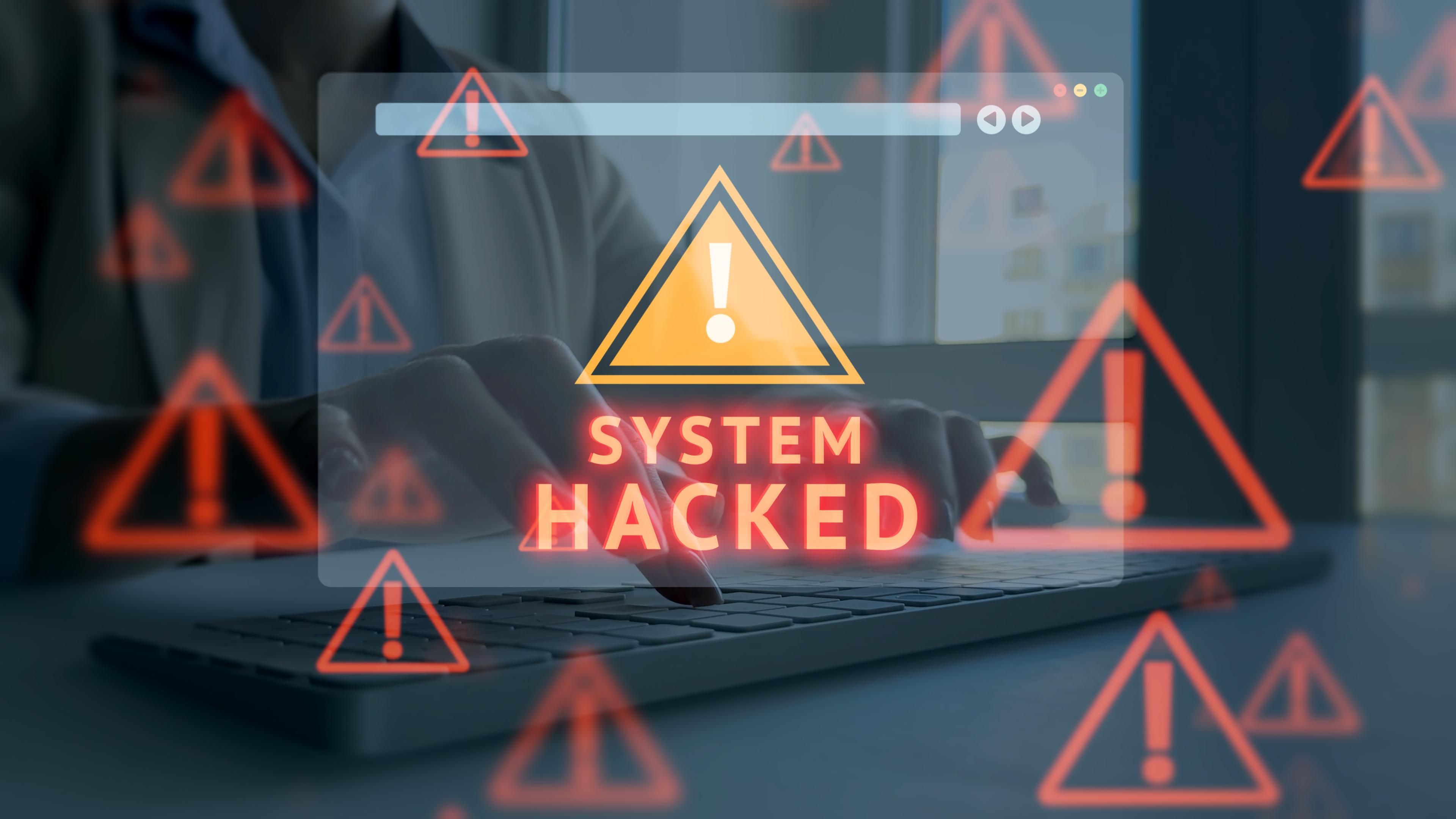
Information Security: Necessity, Strategic Requirement, or a Perceived Myth?
In an increasingly digital world, the question often arises: is information security truly a necessity, a strategic requirement, or merely an overemphasised concept? While some organisations treat it as a compliance checkbox, others recognise it as a fundamental pillar of modern operations. The reality lies in understanding that information security is no longer optional—it is both a necessity and a critical business requirement.
Information security refers to the protection of data, systems, and networks from unauthorised access, misuse, or disruption. With the rapid adoption of cloud computing, mobile technologies, and interconnected systems, organisations are generating and managing vast volumes of sensitive information. This includes financial data, personal records, intellectual property, and operational insights. Any compromise of this data can lead to significant financial loss, reputational damage, and legal consequences.
The perception that information security is a myth often stems from a lack of immediate visible threats. Organisations that have not experienced a cyber incident may underestimate the risks, assuming that their systems are secure by default. However, cyber threats are constantly evolving, and attackers often target vulnerabilities that remain unnoticed. A single breach can expose millions of records, disrupt services, and erode customer trust built over years.
From a strategic perspective, information security is deeply integrated into risk management. It enables organisations to identify vulnerabilities, assess potential threats, and implement controls to mitigate risks. Frameworks developed by entities such as the National Institute of Standards and Technology and the International Organisation for Standardisation provide structured approaches to managing cybersecurity risks and ensuring compliance with global standards.
Moreover, information security supports business continuity. In an era where digital services are critical to operations, any disruption caused by cyber incidents can halt business activities. Robust security measures, including encryption, access control, and continuous monitoring, ensure that systems remain resilient and operational.
It is also important to consider the human factor. Many security breaches occur due to human error, such as weak passwords, phishing attacks, or a lack of awareness. Therefore, building a security-conscious culture through training and awareness programs is essential.
In conclusion, information security is neither a myth nor merely a regulatory requirement. It is a strategic necessity that underpins trust, resilience, and long-term success. Organisations that invest in strong security practices are better equipped to navigate the complexities of the digital landscape and protect their most valuable asset—information.
#InformationSecurity #CyberSecurity #DataProtection #CyberRisk
#DigitalSecurity #RiskManagement #DataPrivacy #CyberAwareness
#TechSecurity #EnterpriseSecurity #BusinessContinuity #SecureData
Author
Dr. Akhilesh Kumar
References
- National Institute of Standards and Technology. Cybersecurity Framework and Risk Management Guidelines.
- International Organization for Standardization. ISO/IEC 27001 Information Security Standards.
- World Economic Forum. Global Cybersecurity Outlook Reports.