
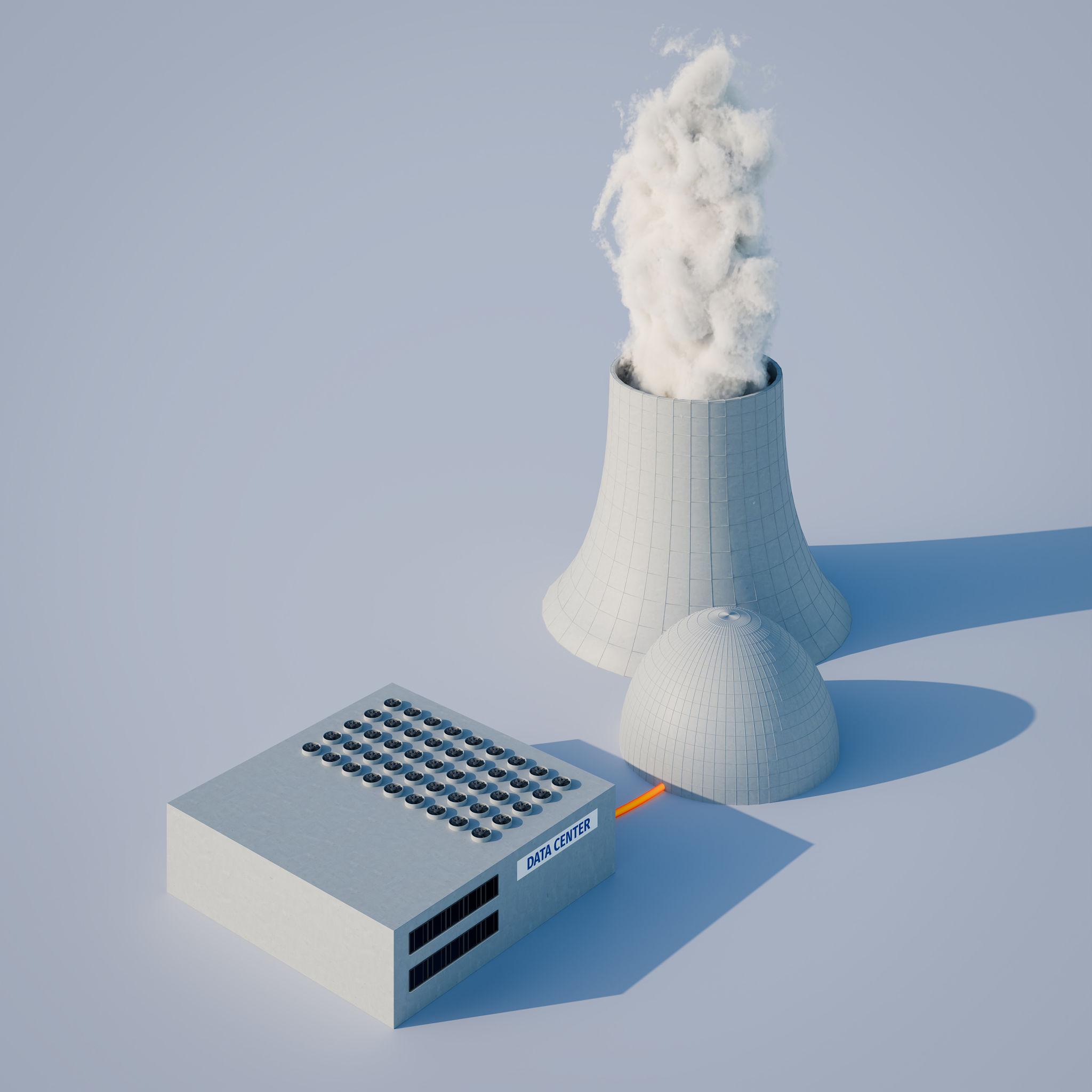
Nuclear Microreactors for Data Centers: The 2027 Reality of Sustainable Computing
The exponential growth of digital services, artificial intelligence, and cloud computing has significantly increased the energy demands of data centers worldwide. As organisations strive to maintain high-performance computing environments, the challenge of ensuring reliable, sustainable, and cost-effective energy sources has become more critical than ever. By 2027, nuclear microreactors will emerge as a promising solution to address these challenges.
Nuclear microreactors are compact, advanced nuclear systems designed to generate power on a smaller scale compared to traditional nuclear plants. Unlike large reactors, microreactors are modular, portable, and capable of delivering consistent energy output with minimal environmental impact. Their design allows them to be deployed closer to energy consumption points, making them particularly suitable for powering data centers.
One of the key advantages of nuclear microreactors is their ability to provide continuous and stable power. Data centers require uninterrupted energy to maintain operations, and even short outages can result in significant financial losses and service disruptions. Unlike renewable energy sources such as solar and wind, which depend on environmental conditions, nuclear microreactors offer a reliable and constant energy supply.
Another important benefit is sustainability. Microreactors produce low carbon emissions compared to fossil fuel-based power generation. As organisations increasingly focus on reducing their carbon footprint, integrating nuclear microreactors into data center infrastructure can support long-term sustainability goals. This aligns with global efforts to transition toward cleaner energy solutions.
In addition to reliability and sustainability, microreactors can enhance energy efficiency. By generating power on-site or nearby, they reduce transmission losses and improve overall energy utilisation. This localised energy model can also support edge computing environments, where data processing occurs closer to users.
However, the adoption of nuclear microreactors is not without challenges. Regulatory approvals, safety considerations, and public perception remain significant factors. Ensuring robust safety systems, transparent governance, and effective communication is essential for widespread acceptance.
Technological advancements are also driving innovation in reactor design, including passive safety mechanisms and automated control systems. These developments aim to make microreactors safer, more efficient, and easier to manage.
Looking ahead, the integration of nuclear microreactors into data center ecosystems represents a transformative shift in energy infrastructure. As digital demand continues to grow, organisations must explore innovative solutions to meet their energy needs sustainably.
In conclusion, nuclear microreactors have the potential to redefine how data centers are powered. By offering reliable, low-carbon, and scalable energy solutions, they represent a forward-looking approach to supporting the future of digital infrastructure in 2027 and beyond.
#NuclearMicroreactors #DataCenters #SustainableEnergy #CleanEnergy
#FutureTech #DigitalInfrastructure #EnergyInnovation #GreenTechnology
#CloudComputing #AIInfrastructure #TechTrends #NetZero
Author
Dr. Akhilesh Kumar
References
- International Atomic Energy Agency. Small Modular Reactors and Microreactor Technologies.
- World Nuclear Association. Nuclear Energy and Advanced Reactor Developments.
- U.S. Department of Energy. Microreactor Research and Clean Energy Initiatives.