
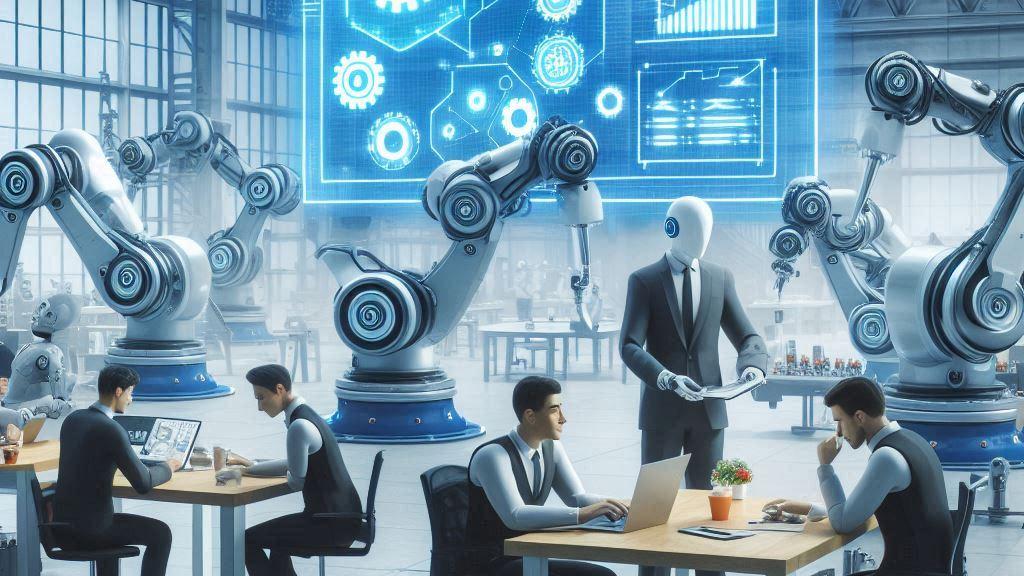
Polyfunctional Robots: The New Teammates That Learn, Adapt, and Optimize
The evolution of robotics is entering a transformative phase. For decades, robots were designed to perform specific, repetitive tasks within controlled environments. Whether assembling components on a production line or sorting packages in a warehouse, traditional robots excelled at specialisation but lacked flexibility. Today, advances in artificial intelligence, machine learning, computer vision, and autonomous systems are giving rise to a new generation of machines known as Polyfunctional Robots, intelligent robotic teammates capable of learning, adapting, and optimising their performance across multiple tasks and environments.
Unlike conventional robots programmed for a single purpose, polyfunctional robots are designed to perform a variety of functions. They can switch between tasks, learn from experience, respond to environmental changes, and collaborate with humans and other machines. This adaptability makes them particularly valuable in industries where operational requirements evolve rapidly, and flexibility is essential.
At the core of these systems is artificial intelligence. Advanced machine learning algorithms enable robots to analyse data, recognise patterns, and improve performance over time. Instead of requiring extensive reprogramming whenever conditions change, polyfunctional robots can adjust their behaviour dynamically based on real-world experiences. This capability transforms robots from fixed automation tools into intelligent collaborators.
Manufacturing is one of the sectors most likely to benefit from this shift. Modern factories increasingly require agile production systems capable of handling customised products, fluctuating demand, and diverse workflows. A polyfunctional robot may assist with assembly in the morning, conduct quality inspections in the afternoon, and support logistics operations later in the day. This versatility improves resource utilisation and operational efficiency.
Organizations such as Boston Dynamics and NVIDIA are actively developing intelligent robotics platforms that combine mobility, perception, and autonomous learning capabilities. Their innovations are accelerating the transition toward adaptable robotic workforces.
Healthcare, logistics, retail, and infrastructure management are also emerging as key application areas. In hospitals, adaptive robots can transport supplies, assist patients, and support administrative tasks. In logistics environments, they can manage inventory, coordinate deliveries, and optimise warehouse operations. Their ability to learn and adapt allows them to handle diverse responsibilities without requiring separate robotic systems for each function.
One of the greatest advantages of polyfunctional robots is continuous optimisation. Through data analysis and machine learning, these systems can identify inefficiencies, refine workflows, and improve decision-making over time. As a result, they become increasingly effective as they gain operational experience.
Human-robot collaboration is another defining feature. Rather than replacing workers, polyfunctional robots are designed to function as teammates. They can assist employees by handling repetitive, physically demanding, or hazardous tasks while humans focus on creativity, critical thinking, and relationship-driven activities.
However, deploying adaptable robotic systems also introduces challenges. Safety remains a top priority, particularly in environments where humans and robots work side by side. Developers must ensure reliable perception, decision-making, and fail-safe mechanisms to maintain trust and operational integrity.
Cybersecurity is equally important. As robots become connected, autonomous, and data-driven, protecting them from cyber threats is essential. Secure communication protocols, access controls, and real-time monitoring must be integrated into robotic ecosystems.
The workforce impact must also be addressed thoughtfully. Organizations need training and reskilling programs to prepare employees for collaborative environments where intelligent machines play an active role.
In conclusion, polyfunctional robots represent a significant evolution in automation and robotics. Their ability to learn, adapt, and optimise makes them far more than machines—they are becoming intelligent teammates capable of contributing across diverse operational domains. As organizations embrace Industry 5.0 principles, polyfunctional robots will help create workplaces that are more productive, resilient, and collaborative than ever before.
#PolyfunctionalRobots #Robotics #ArtificialIntelligence #Industry50
#SmartAutomation #FutureOfWork #HumanRobotCollaboration
#AutonomousSystems #MachineLearning #DigitalTransformation
#IndustrialInnovation #FutureTech
Author
Dr. Akhilesh Kumar
References
- Boston Dynamics. Research on Adaptive Robotics and Autonomous Mobility Systems.
- NVIDIA. AI-Powered Robotics, Simulation, and Intelligent Automation Platforms.
- International Federation of Robotics. Reports on Emerging Robotics Trends and Industry Applications.
- Institute of Electrical and Electronics Engineers. Research on Intelligent Robotics, Machine Learning, and Human-Robot Collaboration.