
Quantum's Capability Era: Moving Beyond Experimentation to Production
For years, quantum computing has been viewed as a promising but largely experimental technology. Research laboratories, universities, and technology giants have invested heavily in developing quantum processors capable of solving problems beyond the reach of classical computers. Today, however, the conversation is beginning to shift. The industry is entering what many experts describe as the Quantum Capability Era, a period where quantum computing is moving from theoretical experimentation toward practical business applications and production-ready solutions.
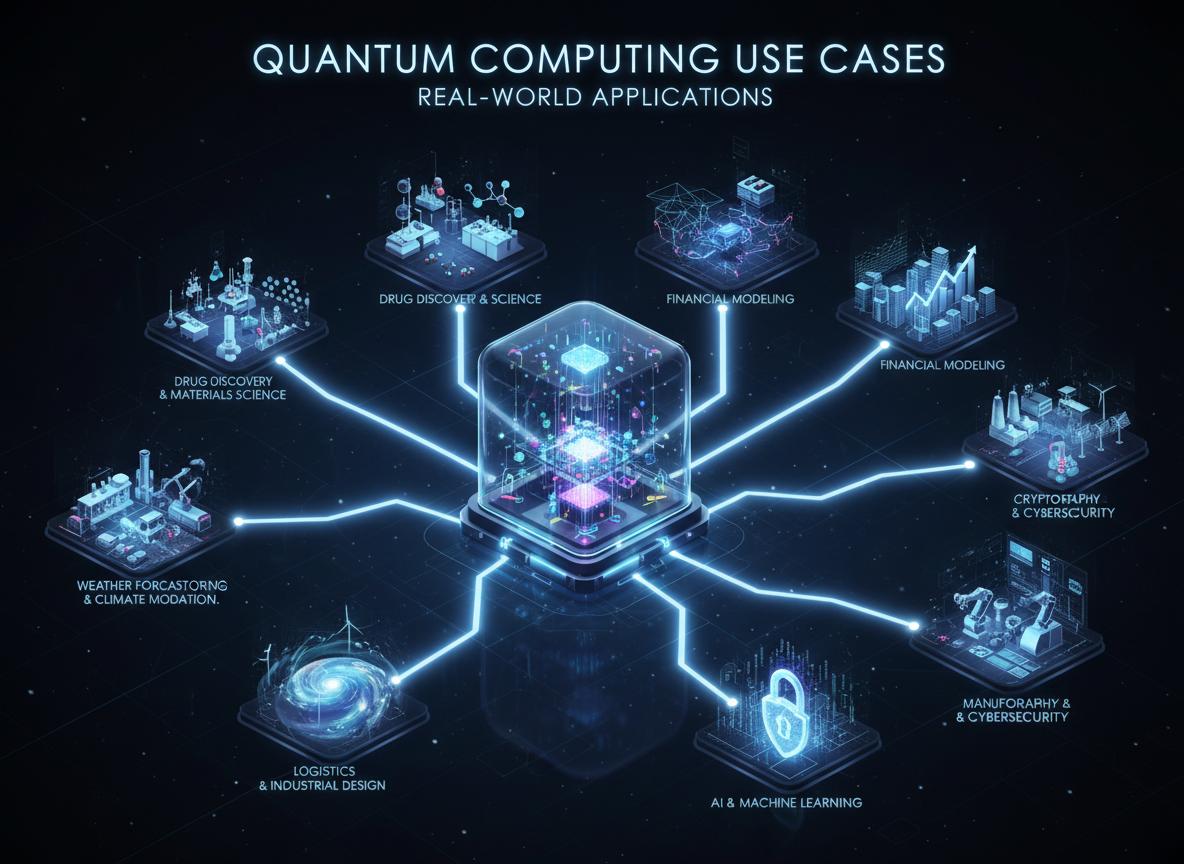
The early phase of quantum computing focused primarily on proving scientific feasibility. Researchers worked to increase qubit counts, improve stability, and reduce computational errors. While these achievements were critical, they often remained disconnected from real-world business value. The current era is different. Organizations are now exploring how quantum technologies can address tangible challenges in optimisation, material science, financial modeling, logistics, cybersecurity, and drug discovery.
One of the most significant developments is the growing maturity of hybrid computing architectures. Rather than replacing classical systems, quantum computers are increasingly being integrated into existing enterprise environments. In this model, classical computing handles traditional workloads while quantum processors are used for highly specialised calculations that benefit from quantum advantages. This approach allows organizations to experiment with practical applications without completely redesigning their technology infrastructure.
Industries such as pharmaceuticals, manufacturing, and financial services are among the earliest adopters. Pharmaceutical companies are exploring quantum simulations to accelerate drug discovery and molecular analysis. Financial institutions are evaluating quantum algorithms for portfolio optimization, risk assessment, and market modeling. Supply chain organizations are investigating how quantum optimisation can improve logistics and resource allocation.
Technology leaders such as IBM and Google continue to invest in quantum hardware, software ecosystems, and cloud-accessible quantum platforms. These initiatives are making quantum capabilities more accessible to enterprises that previously lacked specialised infrastructure.
The transition to production is also being supported by advancements in quantum software development. New frameworks, development tools, and programming environments allow organizations to prototype and test quantum applications more efficiently. Cloud-based quantum services further reduce barriers to entry, enabling businesses to explore quantum use cases without purchasing expensive hardware.
Another major driver is cybersecurity. The prospect of quantum computers eventually breaking conventional encryption methods has accelerated interest in post-quantum cryptography and quantum-safe infrastructure. Organizations are increasingly preparing for a future where quantum technologies influence both offensive and defensive security strategies.
Despite these advancements, challenges remain. Quantum systems still face limitations related to scalability, error correction, hardware reliability, and cost. Most organizations are currently in the exploration and pilot phase rather than full-scale deployment. Success in the capability era will depend on identifying business problems where quantum computing can deliver measurable advantages over classical approaches.
Talent development is equally important. The demand for professionals with expertise in quantum algorithms, quantum software engineering, and quantum cybersecurity continues to grow. Enterprises that invest early in workforce readiness may gain a significant competitive advantage as the technology matures.
In conclusion, the quantum capability era marks a critical turning point in the evolution of computing. The focus is no longer solely on scientific experimentation but increasingly on delivering real-world outcomes. While widespread production adoption may still take time, the foundations are being established today. Organizations that begin building quantum readiness now will be better positioned to capitalise on one of the most transformative technological shifts of the coming decade.
#QuantumComputing #QuantumTechnology #QuantumInnovation
#FutureTech #EnterpriseTechnology #DigitalTransformation
#HybridComputing #QuantumAlgorithms #PostQuantumCryptography
#EmergingTechnology #TechLeadership #InnovationEconomy
Author
Dr. Akhilesh Kumar
References
- IBM. Quantum Computing Research, Enterprise Quantum Platforms, and Hybrid Computing Initiatives.
- Google. Quantum Algorithms and Scalable Quantum Infrastructure Studies.
- Institute of Electrical and Electronics Engineers. Research on Quantum Computing Applications and Emerging Architectures.
- National Institute of Standards and Technology. Quantum Readiness and Post-Quantum Security Research.