
The Quantum Cybersecurity Countdown: Preparing for the Encryption Apocalypse
For decades, modern cybersecurity has relied on encryption algorithms that protect everything from online banking and healthcare records to government communications and cloud infrastructure. Technologies such as RSA and Elliptic Curve Cryptography (ECC) have formed the foundation of digital trust across the internet. However, the rapid advancement of quantum computing is creating a new cybersecurity challenge often referred to as the Quantum Cybersecurity Countdown, a race against time to secure digital systems before quantum computers can break today’s encryption standards.
The concern stems from the unique computational capabilities of quantum machines. Unlike traditional computers that process information using binary bits, quantum computers use qubits, enabling them to perform certain calculations exponentially faster. Quantum algorithms, particularly Shor’s Algorithm, have the theoretical ability to compromise widely used public-key encryption methods that currently protect sensitive digital assets.
Although large-scale fault-tolerant quantum computers are not yet widely available, cybersecurity experts are increasingly warning organizations about the "harvest now, decrypt later" threat. Adversaries can collect encrypted information today and store it with the expectation that future quantum systems will eventually be capable of decrypting it. For organizations handling long-term sensitive data, the risk is already present.
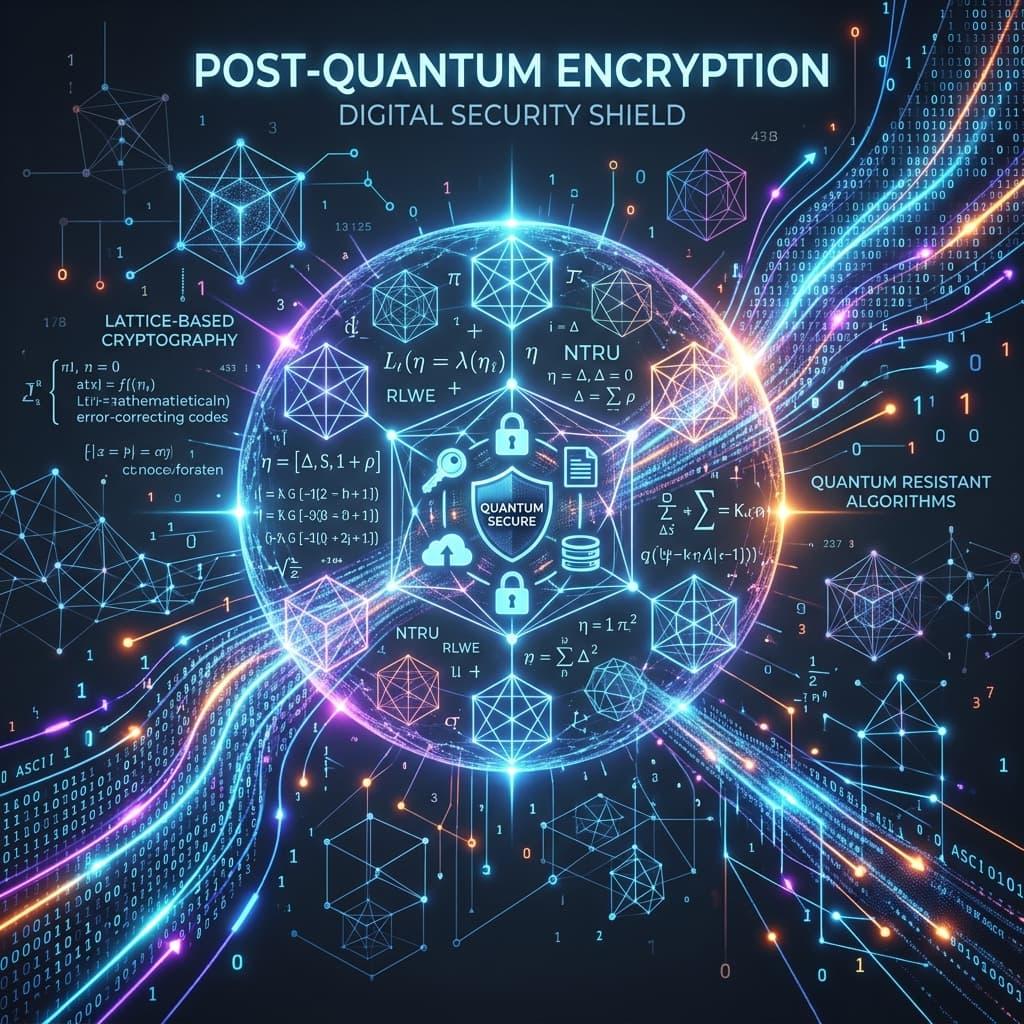
This emerging threat has accelerated global efforts toward Post-Quantum Cryptography (PQC). Unlike traditional cryptographic systems, PQC algorithms are designed to resist attacks from both classical and quantum computers. Organizations such as the National Institute of Standards and Technology have been leading international efforts to standardise quantum-resistant cryptographic algorithms for future deployment.
Preparing for the quantum era requires more than simply replacing encryption algorithms. Enterprises must first identify where cryptography exists within their environments. Applications, databases, cloud services, network devices, IoT systems, and third-party integrations often contain embedded cryptographic dependencies that may be difficult to upgrade. This process, commonly known as cryptographic inventory management, is becoming a critical first step toward quantum readiness.
Technology leaders, including IBM and Google, are actively researching quantum-safe technologies, secure communication frameworks, and next-generation cryptographic infrastructures. Their work is helping organizations prepare for a future where quantum resilience becomes a standard security requirement.
The transition to post-quantum security also introduces operational challenges. Organizations must ensure interoperability, maintain performance, and manage the complexity of migrating legacy systems. Hybrid cryptographic approaches that combine traditional and quantum-resistant algorithms are increasingly being explored as practical transition strategies.
Government agencies, financial institutions, healthcare providers, and critical infrastructure operators face particular urgency. Sensitive information in these sectors often requires protection for decades, making early preparation essential.
Beyond encryption, the quantum era will also reshape identity management, secure communications, digital signatures, and authentication mechanisms. Security strategies must evolve to address an entirely new computational landscape.
The good news is that the cybersecurity community is not waiting for the threat to materialise. Standards bodies, technology companies, and research institutions are already building the foundations of a quantum-secure future. Organizations that begin planning today will be significantly better positioned than those that delay action.
In conclusion, the so-called "encryption apocalypse" should not be viewed as a reason for panic but as a call for preparation. Quantum computing has the potential to transform science, industry, and innovation, but it also challenges the security assumptions that underpin modern digital infrastructure. The organizations that invest in quantum readiness, cryptographic agility, and post-quantum security strategies today will be best equipped to navigate the cybersecurity realities of tomorrow.
#QuantumCybersecurity #PostQuantumCryptography #CyberSecurity
#QuantumComputing #Encryption #QuantumSafe #DigitalSecurity
#InformationSecurity #FutureTech #CyberDefense #Cryptography
#QuantumReadiness
Author
Dr. Akhilesh Kumar
References
- National Institute of Standards and Technology. Post-Quantum Cryptography Standardization Program.
- IBM. Quantum-Safe Security and Cryptographic Research.
- Google. Quantum Computing and Secure Communications Research.
- Institute of Electrical and Electronics Engineers. Research on Quantum Computing and Cybersecurity Resilience.