Trending Technologies in 2026–2027: Redefining the Future of Digital Innovation
The period of 2026–2027 is expected to witness a powerful convergence of advanced technologies that will redefine industries, economies, and everyday life. As organisations continue to embrace digital transformation, emerging technologies are no longer experimental concepts but strategic drivers of innovation and growth.
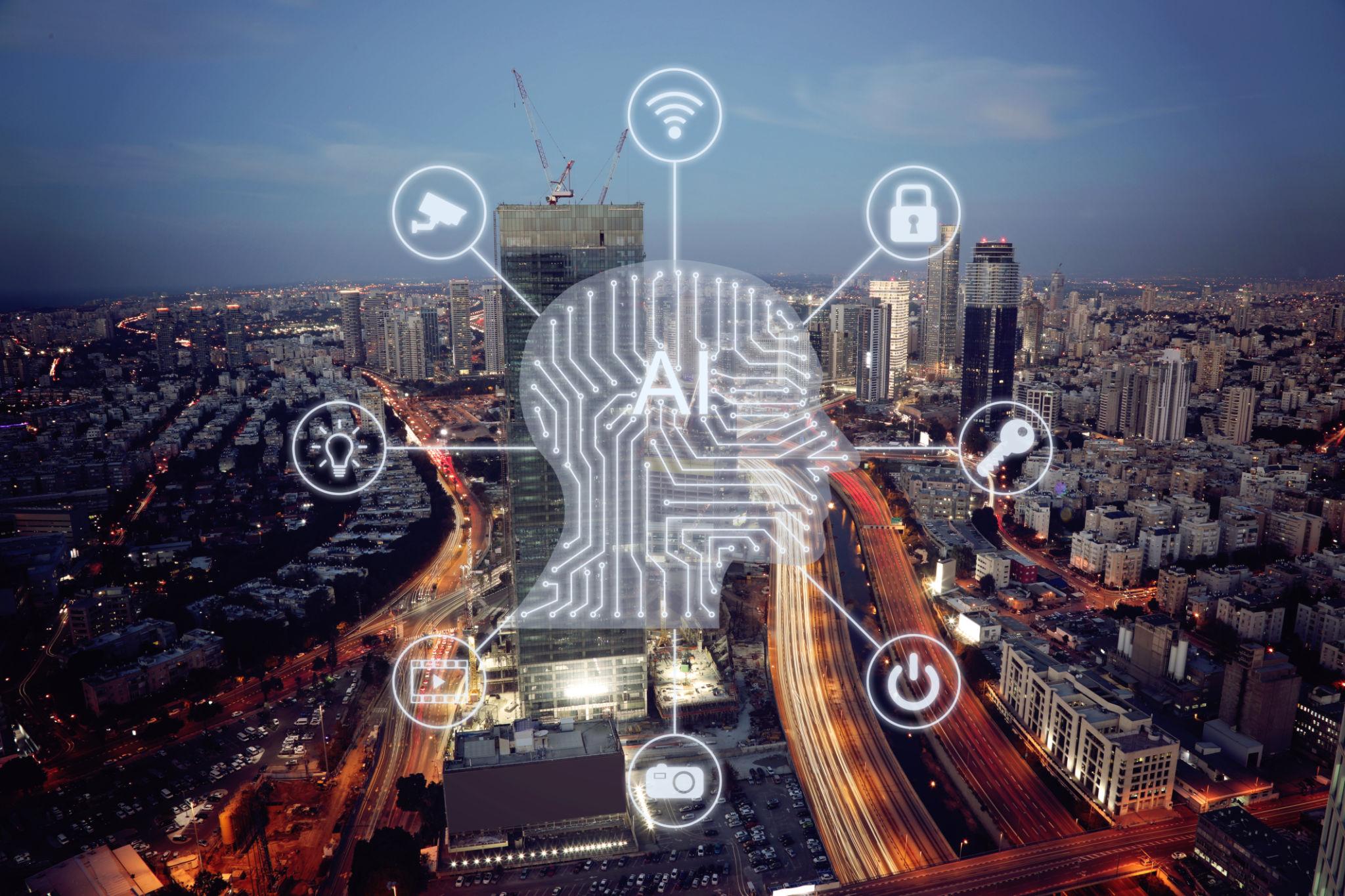
Artificial intelligence remains at the centre of this transformation. The evolution of generative AI, autonomous agents, and decision-support systems is enabling organisations to move beyond automation toward intelligent operations. Businesses are increasingly using AI for predictive analytics, real-time decision-making, and hyper-personalised services. In sectors such as healthcare and finance, AI is enhancing diagnostics, fraud detection, and operational efficiency.
Another transformative trend is quantum computing. Although still developing, it is progressing toward practical applications in solving highly complex problems. Quantum algorithms have the potential to revolutionise areas such as cryptography, supply chain optimisation, and pharmaceutical research. As the technology matures, organisations are beginning to explore hybrid computing models that combine classical and quantum systems.
The integration of the Internet of Things (IoT) with edge computing is also shaping the future. Connected devices are generating vast amounts of real-time data, which can now be processed closer to the source through edge computing. This reduces latency and enables faster decision-making, making it highly relevant for smart cities, industrial automation, and remote healthcare monitoring.
Cybersecurity is becoming increasingly sophisticated in response to growing digital risks. Advanced frameworks such as zero-trust architecture, AI-driven threat detection, and behavioural analytics are being adopted to protect critical infrastructure. As cyber threats evolve, security is no longer a standalone function but an integral part of organisational strategy.
Immersive technologies such as augmented reality (AR) and virtual reality (VR) are expanding beyond entertainment into enterprise applications. These technologies are being used for training, simulation, remote collaboration, and customer engagement. The concept of spatial computing is also gaining traction, enabling more interactive digital experiences.
Sustainability is emerging as a key focus in technological development. Green computing practices, energy-efficient data centres, and sustainable innovations are becoming essential as organisations aim to reduce their environmental impact. Technology is increasingly being aligned with global sustainability goals.
Additionally, advancements in biotechnology and digital health are transforming healthcare delivery. Personalised medicine, AI-assisted diagnostics, and wearable health technologies are enabling proactive and preventive healthcare approaches.
In conclusion, the technological landscape of 2026–2027 reflects a shift toward intelligent, interconnected, and sustainable systems. Organisations that adopt these technologies strategically will be better positioned to innovate, adapt, and lead in an increasingly competitive digital world.
#TechnologyTrends #FutureTech #ArtificialIntelligence #Innovation #QuantumComputing #IoT #CyberSecurity #DigitalTransformation
#Tech2026 #FutureOfWork #SmartTechnology #EmergingTech
Author
Dr. Akhilesh Kumar
References
- Gartner. Strategic Technology Trends and Forecast Reports.
- McKinsey & Company. Emerging Technology and Innovation Insights.
- World Economic Forum. Future Technology and Industry Transformation Reports.